Spotlight
Spotlight: Deb Harper, PhD
posted at 2026-02-02 10:31:00
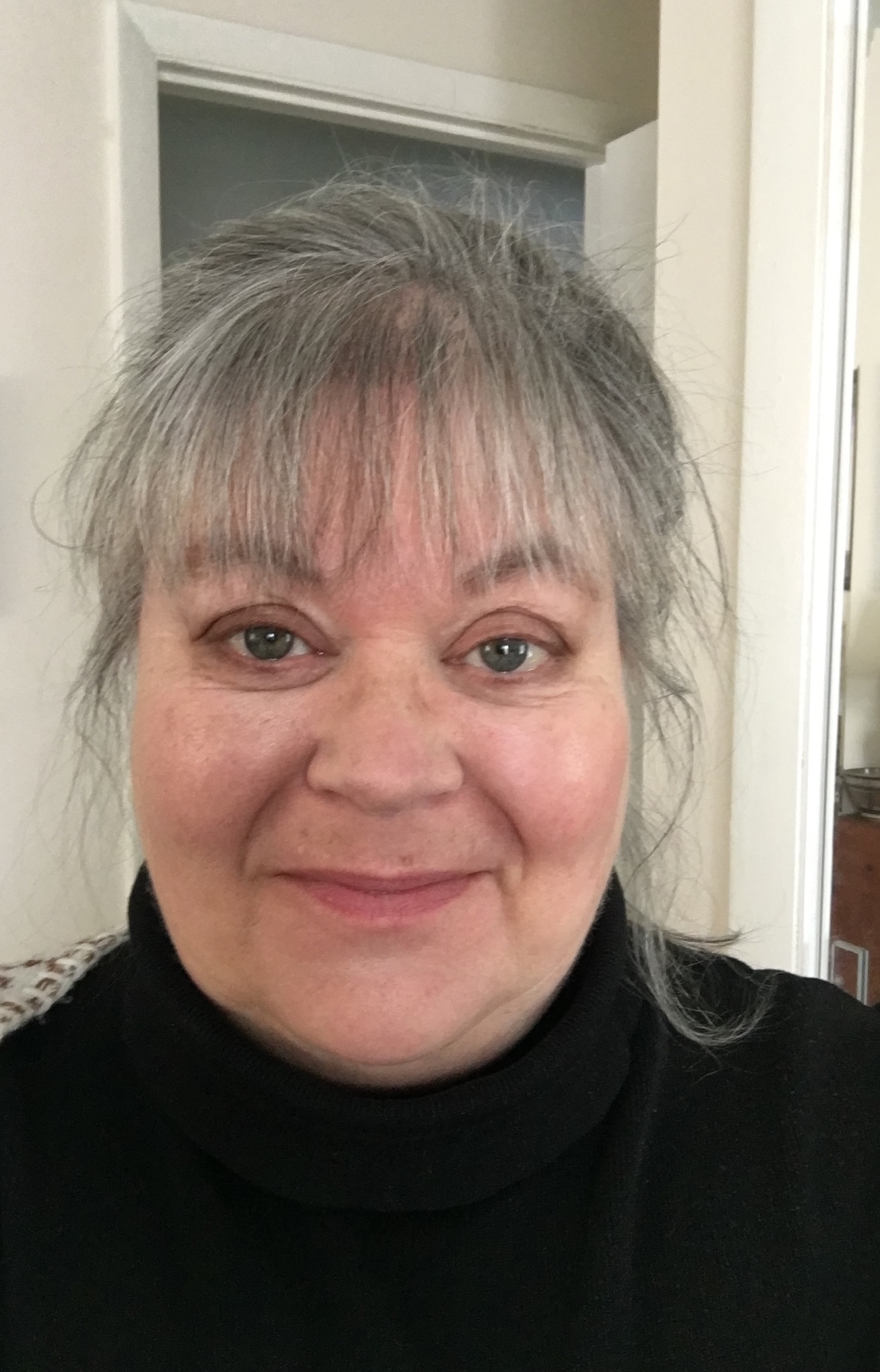
My name is Deb Harper, and I am a licensed psychologist. I moved from Texas to New York to accept a counseling position at Ithaca College. Upstate New York has been my home now for more than 30 years. In 2018, I retired from Ithaca College as the Director of Counseling, Health and Wellness, and resumed a small private practice in downtown Ithaca. Since the pandemic began, my practice has been exclusively virtual, serving clients in Ithaca, Central, and Downstate New York. I am a generalist in practice. An existentialist at heart, I believe most people are looking for meaningful, personally interesting lives. I think of myself as an integrationist – using cognitive-behavioral techniques and influenced by humanistic and eastern philosophies. I am grounded in the belief that all people have worth and deserve dignity. My style is friendly, conversational, interactive, and humorous. I encourage critical thinking and behavior changes that lead to insight and more satisfying lives. Most of my clinical experience has been with traditional-age college students. Today, my clinical work includes adults of all ages dealing with the challenges of various stages of life – emerging adulthood, identity and relationship concerns, career changes, transitions to retirement, parenting adult children, and concerns about the well-being of others. I especially enjoy working with clients who are in health and mental health professions and those in the creative arts - writers, scholars, visual artists, and musicians.
I fell in love with Ithaca as it has the progressive cultural vibe of my hometown, Austin, Texas, plus the promise of mild summers and spectacular fall colors. Over the years, I’ve traveled most of the back roads of Upstate New York and am still in love with the beauty of the lakes, farms, and small towns all around us.
Social media to highlight
Dan Seigel, MD . https://drdansiegel.com
Mark Epstein, MD. https://www.markepsteinmd.com
Rick Hanson, Ph.D. https://rickhanson.com
Oliver Burkeman, books & blog, https://www.oliverburkeman.com/posts
Mark Manson, articles https://markmanson.net/articles
Eric Barker, blog https://bakadesuyo.com/blog/
Wheel of Awareness, guided meditation
https://www.youtube.com/watch?v=umDu2IpUoh
What drew you to the mental health field, and what keeps you passionate about it?
I discovered psychology almost by accident. I was a first-generation, non-traditional student re-entering college after a stop-out, an English major lucky enough to find a psychology course that put me on the path to graduate school. Professional psychology is an endlessly interesting field and a career that continues to bring meaning to myself and to others. It is work that requires self-examination and reflection. It brought me closer to understanding my family, their values, and struggles. I am grateful for clients who have opened their lives to me in the hope that they can find relief from their troubles. It is a privilege to give attention to their concerns. It has been a privilege to supervise other clinicians in their work and growth. The complexity of people’s lives never fails to hold my attention and my heart.
What common misconceptions about therapy would you like to address?
Probably the most common misconception is that therapy is only for people with serious problems or for people who are too weak to help themselves. Even though the language of therapy is woven throughout popular culture, many people struggle for a long time before asking for help - as if having problems in living is a sign of failure. One of my favorite outreach campaigns to college students was: We have a seat for
you. That’s it: Whatever brings you here is worth attention. You and your life are worth attention, and I am here to be a witness and a guide for exploration and change.
Another misconception is that therapy takes forever. I find that most clients benefit from fairly brief and intermittent therapy. That is, once people learn how to benefit from therapy, they use sessions to resolve current issues and then return from time to time to address new concerns or to deepen their self-understanding. There’s a connection in brief therapy that can lead to long-term therapeutic relationships.
How do you help people who are experiencing anxiety or depression?
The short answer is that I have tools to address symptoms directly. I am a keen observer and a collaborative partner in understanding the relationship between our emotions and our thoughts and actions. The longer answer is that I connect with clients to support and hold hope for them. Our shared goal is to understand the conditions that led to anxiety or depression and to identify useful strategies and resources. We’re living in difficult times, but the human condition has always involved periods of worry or sadness. I help people examine their experience and develop skills for living. The work of therapy is to address, and often relieve, the suffering that emerges from a variety of issues.
What are some of your personal beliefs about the human capacity for change and growth?
Life itself demands change, and our brains have a natural capacity for adaptation. It’s our discomfort with uncertainty that leads to the resistance that holds us back. We feel stuck and powerless, not able to prevent change but held back from living full lives. We all have the capacity for personal growth, and sometimes we need a guide to help us find the ground for growth when we feel stuck. Therapy can help us find our personal power to influence situations. Growth feels like aliveness; it’s expansive, the opposite of stuckness. Growth is available at any moment.
Let's Stay In Touch